

Expert Pool Filter Repair & Installation Services
Fully Licensed | Insured | Bonded
Expert Pool Filter Repair & Installation Services
A properly functioning filter is essential to maintaining clean, balanced, and crystal-clear pool water. When your filtration system becomes clogged, worn, or damaged, it can lead to cloudy water and put added stress on your pool equipment—resulting in higher energy use and potential long-term damage.
That’s why prompt repairs and professional installation matter. Whether it’s a minor fix or a full filter replacement, our skilled team provides dependable, high-quality service to keep your pool operating at its best.
We carefully assess your pool’s size, usage, and existing equipment to recommend the right filter solution for optimal performance and efficiency.
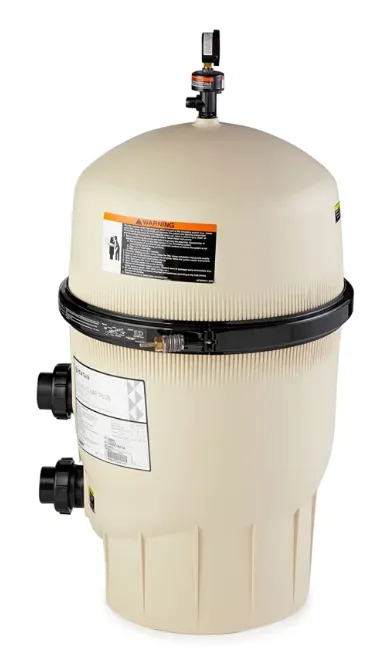
Our Pool Filter Services Include:
Upgrading to a larger, high-efficiency filter system
Installing an additional filter on your equipment pad
Replacing filter cartridges, DE grids, or sand media
Repairing leaks in filter tanks and connected plumbing
Fixing clogged or malfunctioning filter and backwash valves
Replacing worn O-rings, gaskets, pressure gauges
This list covers the most common services, but not every issue. If your pool filter isn’t performing properly, our experienced technicians will quickly diagnose the problem and provide an efficient, reliable solution to get your system running at its best again.
Rapid Filter Repairs to Keep Your Pool Flowing
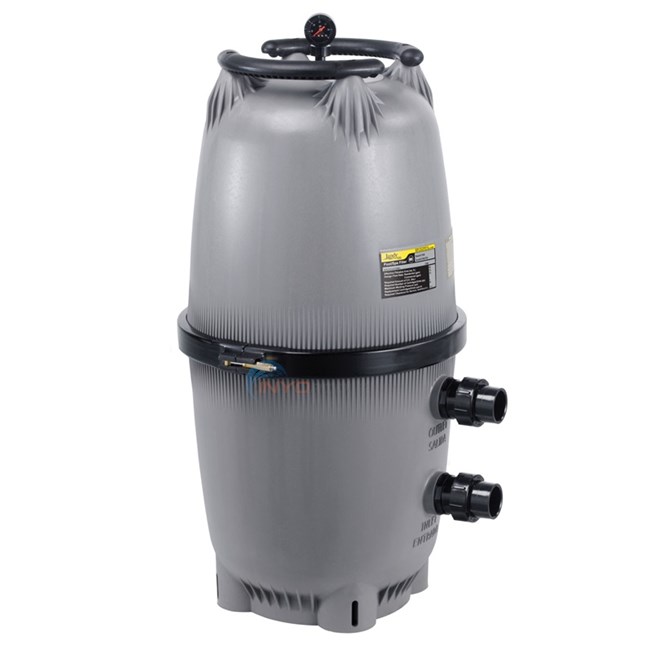
When your pool filter isn’t functioning properly, every minute counts. A malfunctioning filter can make your pump work overtime, potentially leading to bigger problems down the line.
Clogged Filter: If your filter is blocked, your pump has to push harder to move water through the cartridges or grids, putting extra strain on the motor.
Cracked Filter: A crack can make it difficult for your pump to prime properly, which may cause it to run dry—risking serious motor damage.
Broken Grids or Cartridges: Damaged components reduce filtration efficiency, allowing debris to circulate, making your pool cloudy, murky, or even green with algae, which can stain your plaster.
How to Choose the Right Pool Filter
Choosing the right pool filter is easier than you think. Focus on two main factors: pool size and pump strength.
Match Your Filter to Pool
A filter that’s too small won’t clean your water effectively, which can lead to bacteria buildup, cloudy water, and debris issues. On the other hand, a filter that’s too large can waste energy and increase electricity costs. Instead of relying solely on manufacturer sizing charts, choose a filter that matches your pool’s actual water volume for optimal performance and efficiency.

Check Your Pump
Your pump drives water through the filtration system, so its strength directly impacts how well your filter performs. Some filters, such as D.E. systems, require higher pressure compared to cartridge filters. It’s important to consider your pump’s flow rate (GPM) and ensure it aligns with your filter’s capacity to maintain proper circulation and effective filtration.

Consider Maintenance
Different filter systems require different levels of upkeep. Cartridge filters are simple to maintain and typically need cleaning every 8–10 weeks. Sand and D.E. filters require routine backwashing and occasional media replacement. Staying consistent with maintenance ensures your water remains clean, safe, and swim-ready throughout the season.
Understanding Pool Filtration
Sand, Cartridge, and D.E. Filters
Maintaining clean and hygienic swimming pool water requires an efficient filtration system. Pool filters remove dirt, debris, and other contaminants, keeping your water clear and safe. The three primary types of pool filters are sand filters, cartridge filters, and diatomaceous earth (D.E.) filters. Each has unique features, maintenance needs, and costs, making it important to choose the right one for your pool.
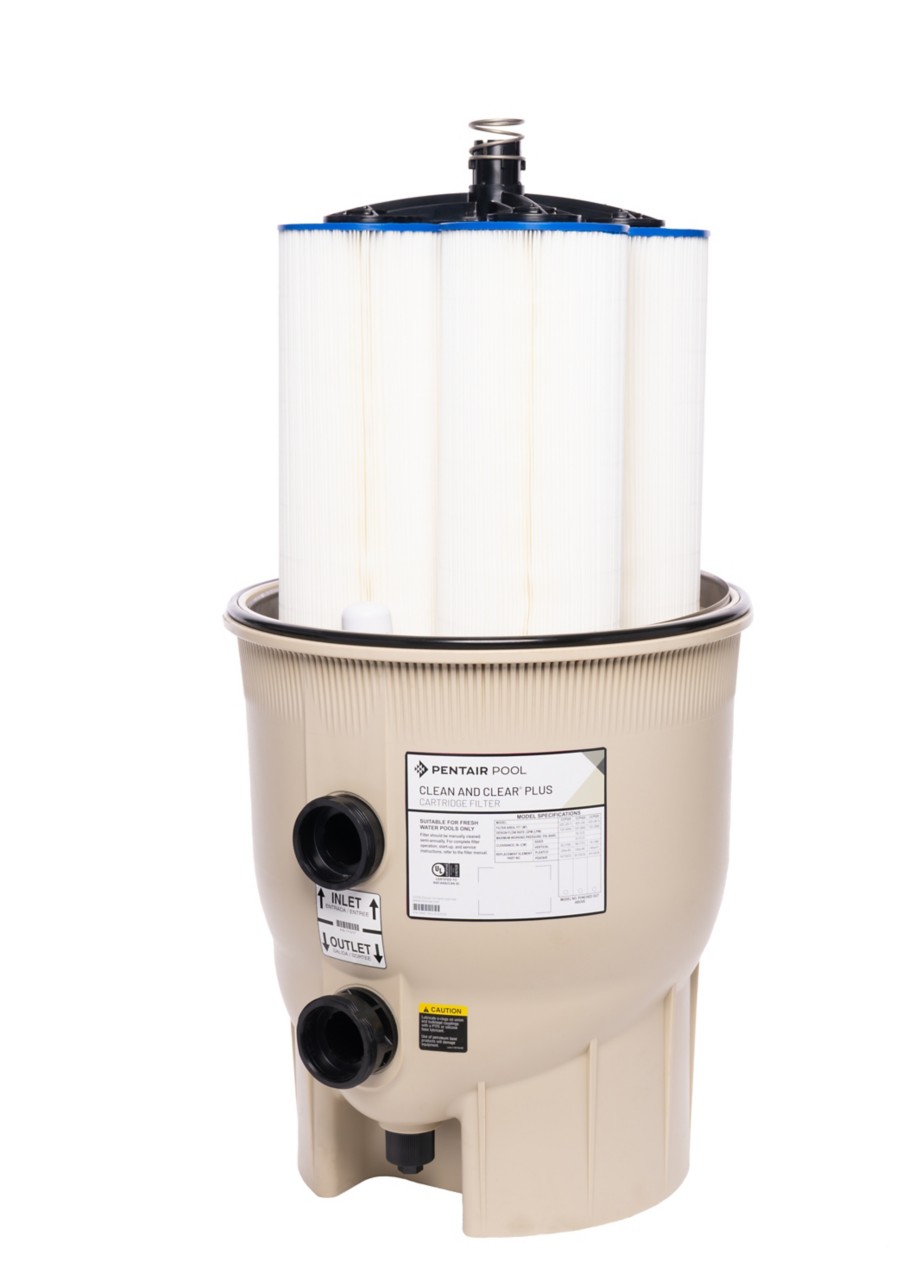
Cartridge Filters
Cartridge filters are an increasingly popular choice for pool owners due to their efficiency and minimal maintenance. Unlike sand or D.E. filters, cartridge filters do not require backwashing, which reduces water and energy consumption while easing maintenance. Their large surface area ensures excellent filtration, capturing particles larger than 10 microns.
Key Advantages:-
Longer cleaning cycles
Energy-efficient performance
Saves up to 90% more water
Simple hose-clean maintenance
Considerations:-
Best for small to medium pools. Rinse every 8–10 weeks. Replace every 2 years.
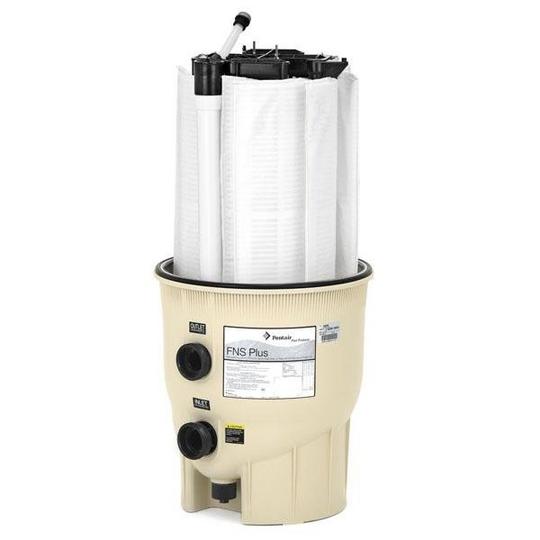
D.E. Filters
Diatomaceous earth (D.E.) filters are known for their superior filtration performance, capturing particles as small as 3 microns. They work by coating a mesh grid inside the filter with D.E. powder, which traps fine debris. Cleaning typically involves a simple backwash, after which more D.E. powder is added via the skimmer.
Key Advantages:-
Crystal-clear water
Removes ultra-fine debris
Easy routine backwashing
Considerations:-
Requires D.E. powder handling. Higher cost. Disposal regulations may apply.
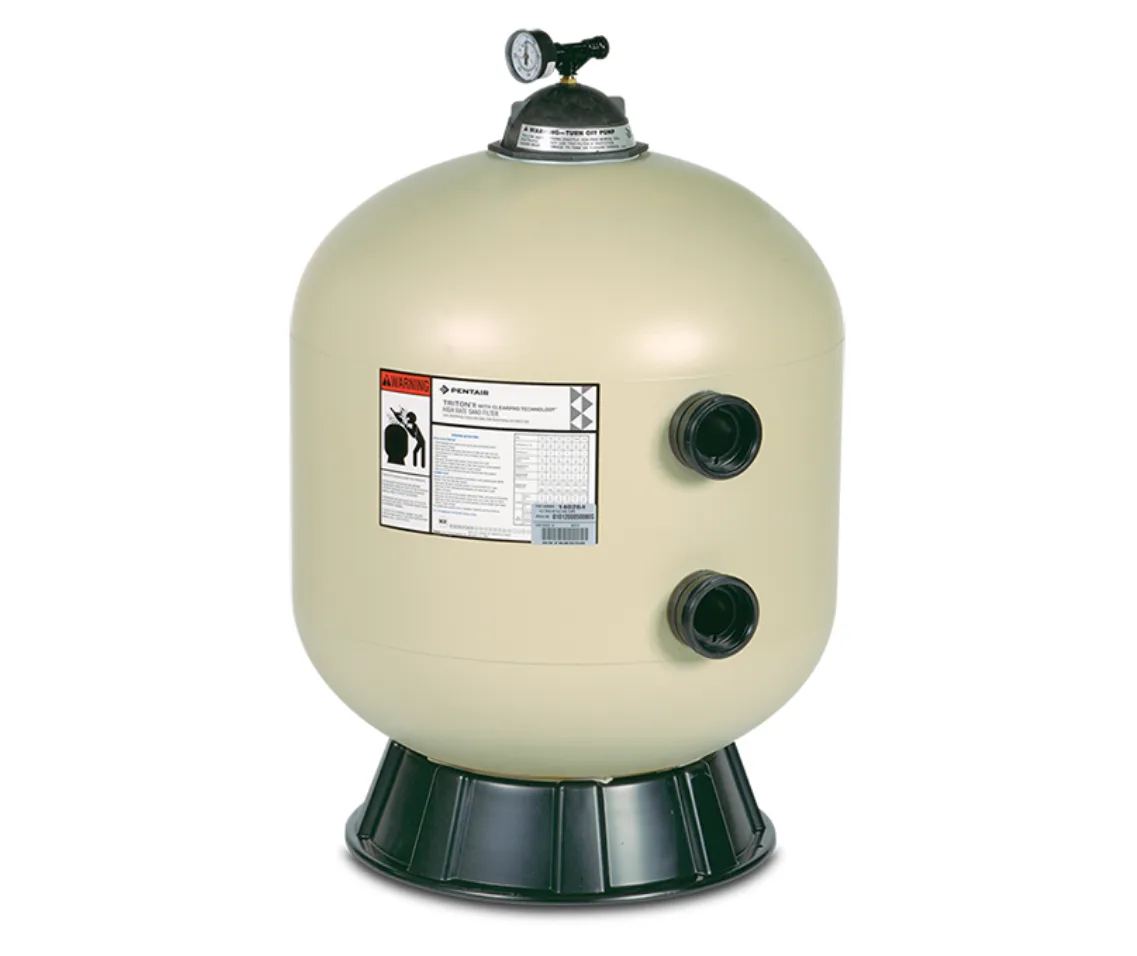
Sand Filters
Sand filters are one of the oldest types of pool filters and are appreciated for their simplicity and durability. Water passes through a bed of sand, which traps debris and particles. Periodic backwashing flushes the collected dirt, while the sand typically needs replacement every 5–7 years.
Key Advantages:-
Affordable upfront cost
Simple operation
Long-lasting performance
Considerations:-
Less fine filtration. Sand replaced every 5–7 years.
We Work With All Major Brands
We install and repair all leading pool heater manufacturers


Our team will help you select the right model for your pool size, usage, and budget — and ensure it’s installed correctly.


@ Copyright 2026 AquaCare Pool Services, Inc. - All rights reserved